When most people think about security, they picture guards at an entrance or cameras on a wall. But for a lot of operations, the patrol vehicle keeps eyes moving across a property, responds when something goes wrong, and makes sure no corner goes unchecked for too long.
Choosing the right security patrol vehicle is essential for protecting people, property, and valuable assets. The ideal patrol vehicle should be reliable, cost-effective, easy to maneuver, and capable of handling the environment it serves.
In this guide, we’ll explore the different types of security patrol vehicles and the key factors to consider before making a decision. We’ll also highlight the best security patrol vehicles to help you choose the right option for your security operations.
Key Takeaways:
- Different security patrol vehicles are designed for different environments, from office buildings and neighborhoods to construction sites and large industrial properties.
- The right patrol vehicle should balance reliability, maneuverability, fuel efficiency, cargo space, and long-term operating costs.
- Security patrol vehicles provide visible deterrence, improve response times, and cover larger areas more efficiently than foot patrols alone.
- Common myths, such as bigger vehicles always being better or patrol vehicles preventing every crime, can lead to poor security decisions.
- In California, always hire through a licensed PPO and verify credentials through the BSIS before signing anything.
What Is a Security Patrol Vehicle?
A security patrol vehicle is a specially equipped car, truck, or SUV used by security personnel to monitor and protect a specific area. Unlike regular vehicles, these are fitted with communication tools, emergency lighting, and sometimes surveillance equipment to help guards respond quickly and stay visible on-site.
Types of Security Patrol Vehicles
The type of vehicle a security team uses really comes down to the environment they’re working in and the level of risk involved. Here’s a breakdown of the most common types you’ll come across:
Standard Marked Patrol Cars
These are what most people picture when they think of a security vehicle: bold branding, flashing lights, and reflective strips. Honestly, that visibility is the whole point. A marked patrol car sitting at the entrance of a property does half the job just by being there. Most people aren’t going to try anything when there’s a patrol car in plain sight.
Unmarked Patrol Vehicles
Sometimes you don’t want people to know they’re being watched, and that’s where unmarked vehicles come in. They look just like any other car on the road, which makes them great for undercover monitoring or keeping an eye on things without tipping anyone off.
Eco-Friendly Electric Patrol Vehicles
Electric patrol vehicles are becoming a practical choice for many security operations, especially indoors or in areas where noise and emissions are a concern. They’re quieter, cheaper to run over time, and work well for campuses, warehouses, and facilities focused on sustainability.
High-Security Armored Vehicles
These aren’t your everyday patrol cars. Armored vehicles are built for situations where the risk level is high, like VIP protection or securing locations in areas with a serious threat history. They’re reinforced to withstand threats that regular vehicles can’t, and the people inside them need that extra layer of protection to do their job properly. You won’t see these rolling around a shopping mall, but in the right context, they’re essential.
Off-Road Patrol Vehicles
Sometimes, the most important sites to secure are the ones that are hardest to reach. Rough tracks, uneven ground, wide stretches of open land. Off-road patrol vehicles are a perfect fit for these locations. They’re a common sight on large estates, construction sites, and rural or remote properties where a regular car would struggle to get through.
Top Security Patrol Vehicle Classes
Different security operations call for different vehicles, and top companies around the world know that picking the wrong one can cost you more than just money. Before you settle on anything, think about what your operation actually needs day to day and whether the running costs work in your favor over time.
With that in mind, here are the vehicle classes most widely used across professional security fleets today:
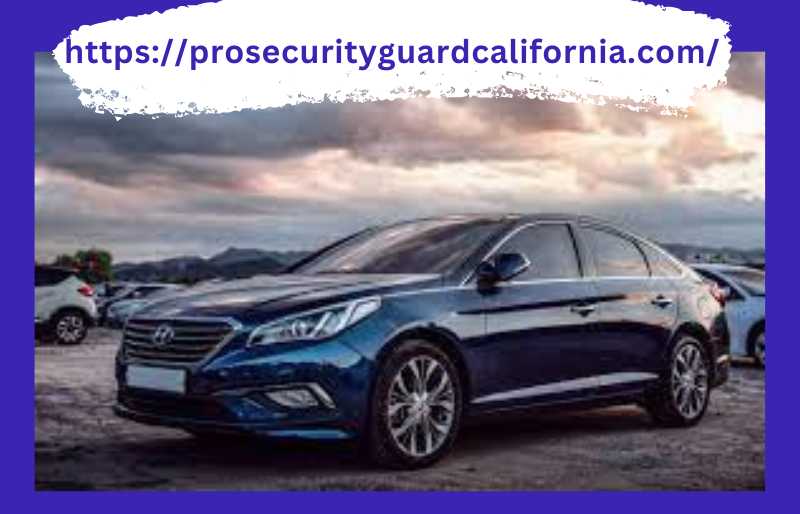
Sedan
A sedan is used for building and apartment security, mainly. This is because it doesn’t offer much deterrence. It’s also not suitable for tracks and rough roads. But the sedan is the best class for fuel efficiency. Also, it’s easy to maneuver in high-metro areas.
So, you can have a sedan in your vehicle fleet for simpler buildings and where little deterrence is needed.
Trucks
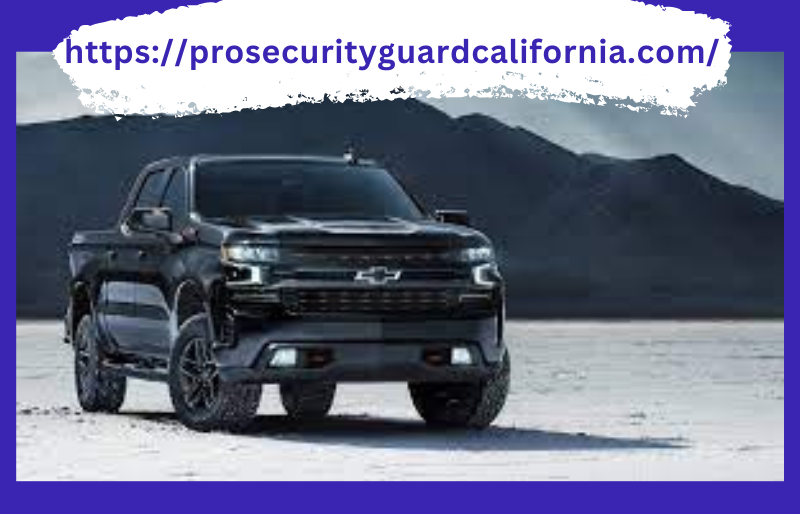
Trucks have the highest resale value among all vehicle classes. They are easily customizable as well. You have to spend some additional bucks on it to make it the way you want. Trucks are spacious, so you can transport your guards easily. They offer great deterrence as well.
But trucks are highly expensive and have high maintenance costs as well. They have poor maneuverability in some areas. So, decide based on your budget and your company’s needs.
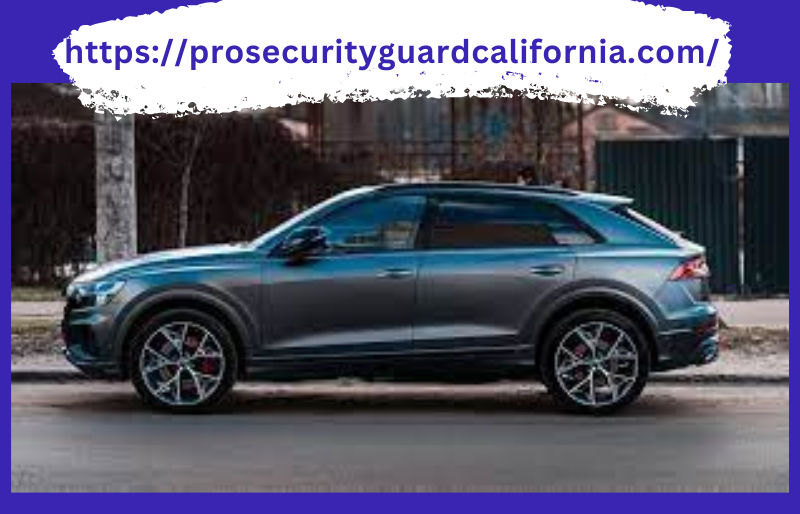
SUVs and CUVs
SUVs are the best class for a low total cost of ownership. They’re spacious, and the back offers resistance to harsh weather as well. SUVs have a high profile and can offer great deterrence. It’s easy to load and unload equipment into and out of an SUV.
If we look at the cons of SUVs, they have less fuel efficiency and a higher initial cost as well.
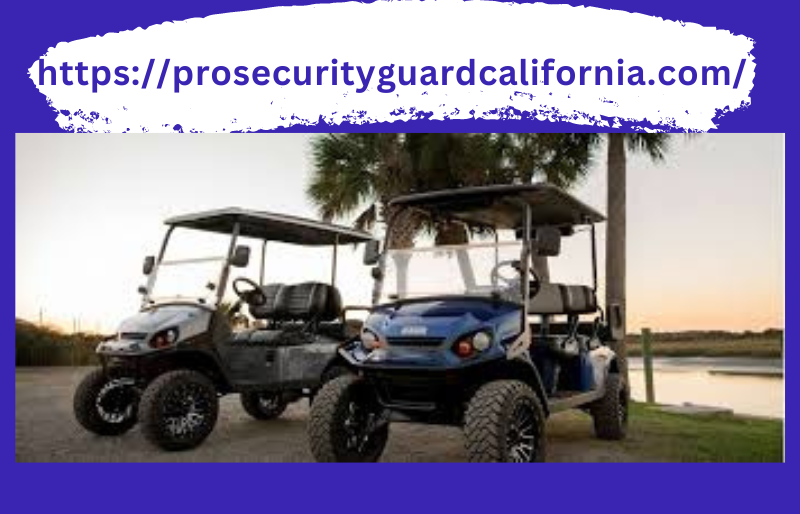
Golf Carts
Golf carts are the best class for maneuverability. They are easy to maintain, offer high fuel efficiency, and most people can handle them easily. But the spare parts of golf carts are not easily available, so it would be hard to maintain them in case of any fault or accident.
Their total cost of ownership varies depending on usage, battery maintenance, and charging costs.
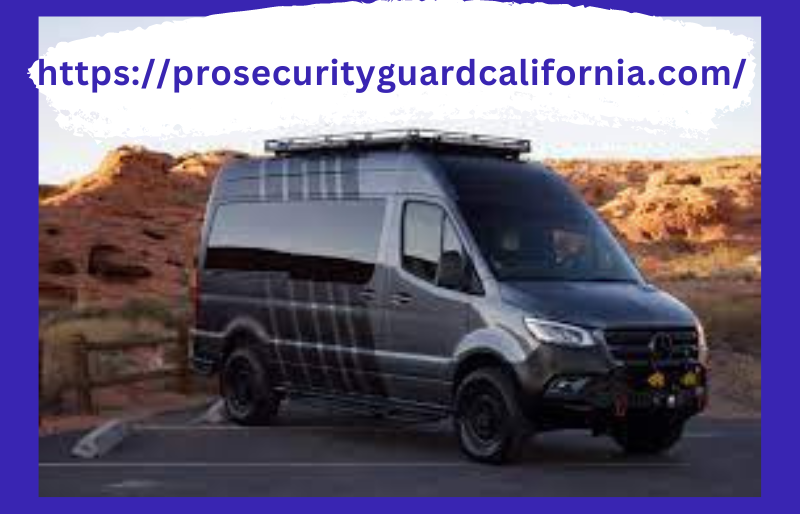
Sprinter Vans
Vans are ultra-spacious, so you can load equipment and other equipment and supplies as well (if needed). They can be easily maintained and offer high fuel efficiency. But their standard safety options are not as advanced as those of other classes, so you can’t use them if you want high-security patrolling.
How to Choose the Right Security Patrol Vehicle
Choosing the right patrol vehicle isn’t something you want to rush. The wrong pick can affect everything from how efficiently your team operates to how much you’re spending month after month.
Here’s what you should actually be thinking about before making a decision:
- Patrol area: Think about where the vehicle will spend most of its time. A busy urban environment has completely different demands compared to a large rural property or an industrial site.
- Fuel efficiency: A vehicle that guzzles fuel might not seem like a big deal upfront, but those costs add up fast, especially when it’s running long shifts every day.
- Maintenance: Some vehicles are cheap to buy but expensive to keep on the road. Look into how often it needs servicing and whether parts are easy to find.
- Cargo space: Security personnel carry more than people realize, such as equipment, gear, and emergency supplies. Make sure there’s enough room for everything the job requires.
- Off-road capability: If any part of the patrol route goes off paved roads, this one’s non-negotiable. Not every vehicle can handle rough terrain.
- Weather: Make sure the vehicle can handle whatever weather your region throws at it: heavy rain, intense heat, or freezing temperatures.
- Total Cost of Ownership: The sticker price is just the starting point. Factor in fuel, insurance, and maintenance over time. A pricier vehicle upfront can actually save you more in the long run.
Best Security Patrol Vehicles for Private Security Companies
Now let’s look into the 2 best security patrol vehicles that you can go for. It depends on your company’s needs and what you want from your vehicle.
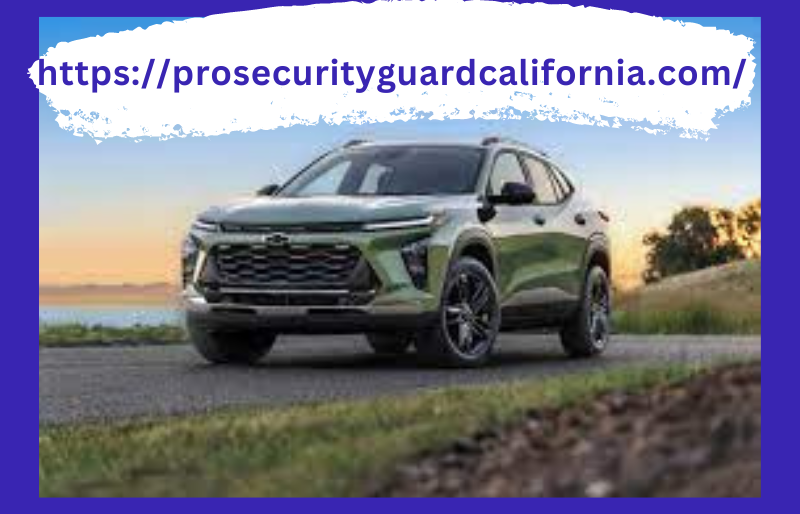
Chevy Trax
Specs
- MSRP: Starting at $21,400
- Fuel efficiency: 27 city/29 highway MPG
- Storage: 50 cubic feet
- AWD capable
- Swing back door
- Upgradable suspension package
- Fast-charging USB and 2 12-volt power outlets
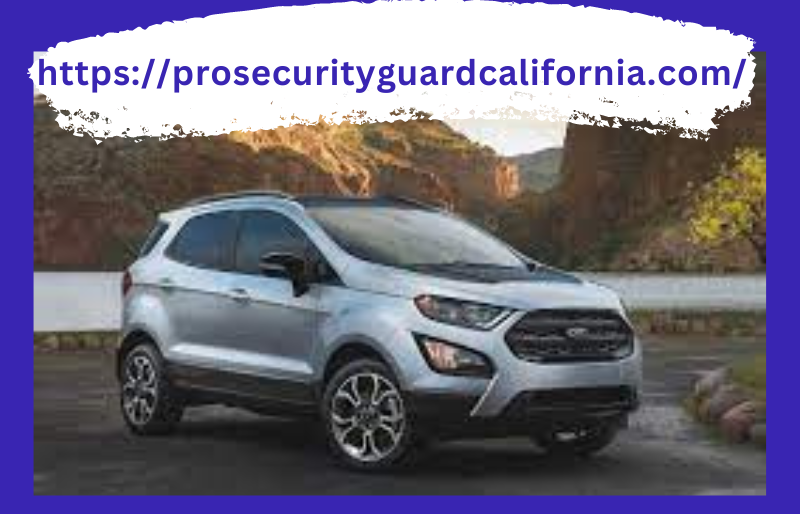
Ford EcoSport
Specs
- MSRP: Starting at $20,835
- Fuel Efficiency: 26 city/31 highway MPG
- Storage: 48.4 cubic feet
- Other features
- AWD cap
- The front passenger seat folds down flat
- Factory skid plate option
Security Patrol Vehicles vs. On-Site Security Guards
A patrol vehicle covers far more ground in less time, which is something a guard on foot simply can’t match. One vehicle can monitor an entire perimeter in the time it would take multiple guards to cover the same area. That’s a significant advantage, especially for large sites where spreading a team thin just isn’t practical.
But guards bring something a vehicle can’t, a human presence. They can read a situation, have a conversation, calm things down, or step in when something needs a real person on the ground. There’s also a certain level of trust that comes with a visible guard that a parked vehicle doesn’t quite replicate.
For most serious operations, having them both is the right choice. Patrol vehicles handle the coverage and mobility while guards manage the situations that need a personal touch. Together, they cover each other’s weaknesses in a way that neither can do alone.
Vehicle Patrols vs. Surveillance Cameras
Cameras are great until something actually happens. They record, they monitor, and they give you footage to look back on. But they can’t move, they can’t respond, and they definitely can’t step in when things start going wrong. That’s the main gap between surveillance cameras and an active patrol vehicle.
A patrol vehicle is a physical presence on the ground. It can change its route, respond to an incident in real time, and show up exactly where it’s needed. That kind of flexibility is something no camera system can offer, no matter how advanced the tech gets.
There’s also the deterrence factor. Most people will think twice when they spot a patrol vehicle making its rounds. A camera on a wall? Not quite the same effect.
The smart move for most operations is to run both. Cameras handle the constant monitoring and fill in the blind spots, while patrol vehicles handle the active response side of things. Between the two, there’s very little that slips through unnoticed.
Common Myths About Security Patrol Vehicles
There are plenty of misconceptions about security patrol vehicles, from how they’re used to the kind of protection they provide. Let’s clear up some of the most common myths:
Myth: Patrol Vehicles Prevent Every Crime
No security measure prevents every single crime, and patrol vehicles are no different. What they do really well is deter criminal activity. Most people aren’t going to try something when there’s a marked patrol vehicle making regular rounds. But they’re not a guarantee.
The best way to think about them is as a strong layer of protection, not a complete solution on its own. Pairing security patrol vehicles with cameras, good lighting, and access control is what actually creates a solid security setup.
Myth: Bigger Vehicles Are Always Better
This one gets assumed a lot. A large SUV or truck makes perfect sense for patrolling a sprawling construction site or rural property, but try maneuvering one through a tight parking garage or an indoor facility, and it becomes more of a problem than a solution. The right vehicle is the one that fits the environment, not the one that looks the most impressive.
Myth: Any Vehicle Can Be Used for Security Patrols
Not quite. A regular car might get you from point A to point B, but a proper security patrol vehicle needs communication systems, emergency lighting, storage for equipment, GPS tracking, and, depending on the role, dash cameras and onboard reporting tools.
Without the right setup, it’s just a car driving around. The equipment is what makes it a patrol vehicle.
Myth: Security Patrol Vehicles Are Too Expensive
This depends a lot on how you look at it. Yes, there’s an upfront cost, but compared to hiring multiple static guards to cover the same ground, mobile patrol is often the more cost-effective option.
One patrol vehicle can cover a large area throughout an entire shift for a fraction of what it would cost to station guards at multiple points. When you factor in deterrence, response time, and coverage, the value usually speaks for itself.
Myth: Only Large Businesses Need Security Patrol Vehicles
This is probably the most common misconception we come across. The reality is that criminals don’t pick targets based on how big the business is; they look for whatever’s the easiest target. If anything, smaller properties are sometimes more vulnerable simply because they’re assumed to have less security.
In fact, mobile patrol can be an especially smart option for smaller operations that can’t justify a full-time on-site guard but still need a visible, credible security presence. It scales to what you actually need.
How Much Do Vehicle Patrol Services Cost?
Pricing in California runs a bit higher than the national average, and that’s largely down to the state’s labor costs. For mobile patrol services, hourly rates across California generally fall somewhere between $20 and $40 per hour, depending on the city, property size, and level of coverage required. Los Angeles and other major metros tend to sit on the higher end of that range.
Every month, small businesses typically spend anywhere from $2,000 to $6,000, while larger properties like apartment complexes or industrial sites can run higher.
One important thing to know if you’re in California: state law requires all security services to be hired through a licensed Private Patrol Operator (PPO). Hiring an independent guard directly isn’t legal here. You can verify any company’s license status through the California Bureau of Security and Investigative Services (BSIS) before signing a contract.
Want to know what security patrol services would cost for your property? Get in touch for a personalized estimate with no obligation.
Frequently Asked Questions
What features should a good security patrol vehicle have?
At a minimum, you need solid communication systems, good lighting, GPS tracking, and enough storage for the gear your team carries. Dash cameras and onboard computers for digital reporting are pretty standard now.
How often should security patrol vehicles be maintained?
More often than you’d think. These vehicles run long shifts in tough conditions, so the wear adds up fast. Routine oil changes, tire rotations, and brake checks should be on a regular schedule, and the onboard tech, such as lights, comms, and cameras, needs consistent checks too.
Can security patrol vehicles be customized?
Yes, and most professional operations do. From branded graphics and emergency lighting to custom interior storage and dashcam setups, there’s a lot you can do. Some manufacturers even offer purpose-built upfit packages for security use.
Are electric vehicles suitable for security patrols?
Yes, EVs work well for campus patrols, indoor facilities, and predictable urban routes where charging is accessible. Running costs are noticeably lower, and the quieter operation is actually a plus in certain environments.
Which security patrol vehicle is best for small businesses?
A compact SUV is usually the sweet spot: reliable, fuel-efficient, with enough cargo space for equipment, and easy to maintain. For tighter budgets, retired fleet vehicles are worth looking into since they’re built for this kind of use and often available at a much lower cost.
Wrapping Up on Security Patrol Vehicles
At the end of the day, there’s no single “best” security patrol vehicle. It really comes down to what your operation actually needs. The right vehicle for a corporate campus looks very different from what you’d need on a remote construction site or a large rural estate. What matters is that you take the time to match the vehicle to the job, factor in the real costs of running it, and make sure your team has what they need to do their work properly.
Every property has different security concerns. Contact Professional Security Guard Inc., and we’ll recommend the right patrol schedule that fits your needs!